.svg)
Courteenhall Estate
Discover the heritage and sustainable practices that define the Courteenhall Estate experience.
Rooted in history,
growing with purpose
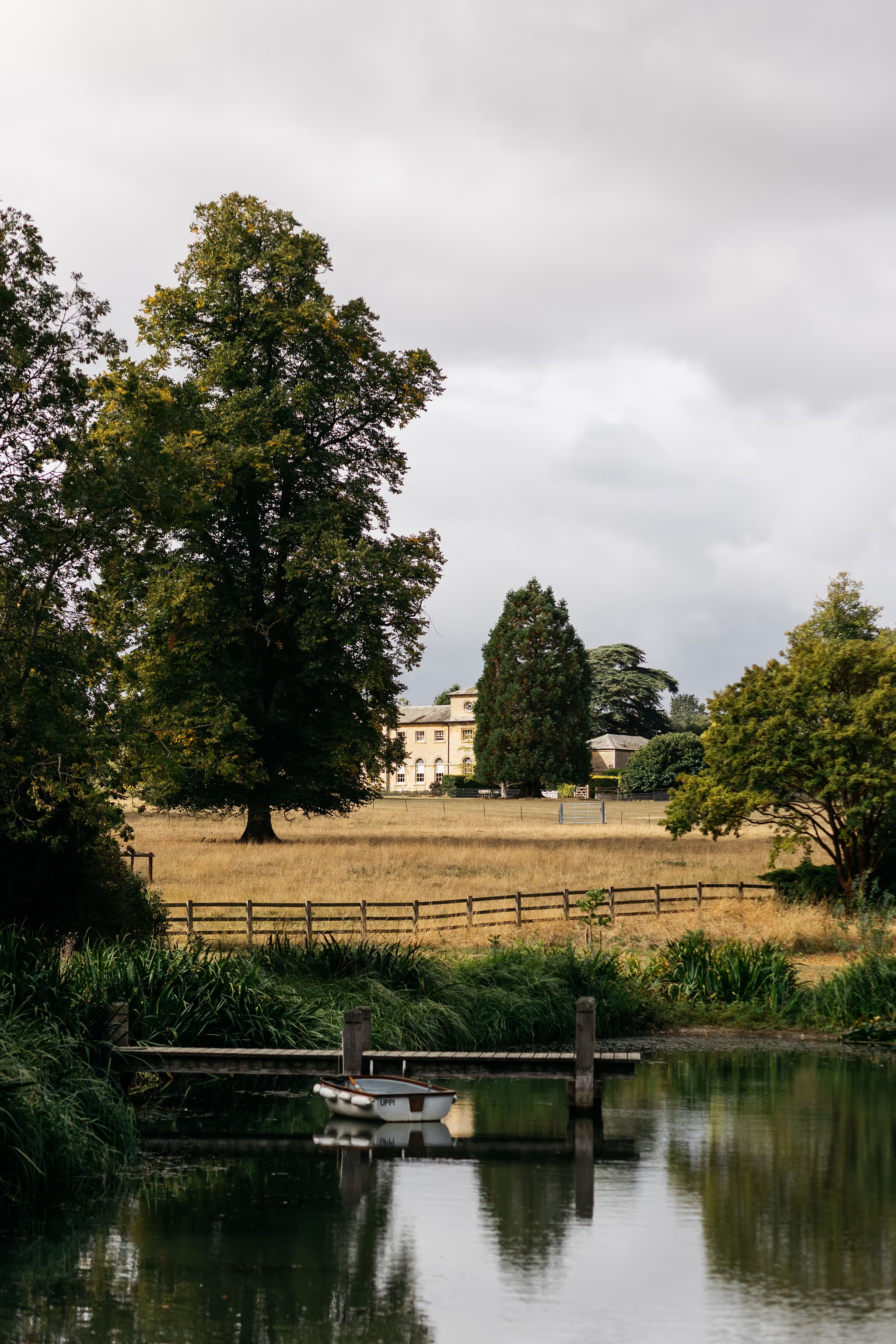
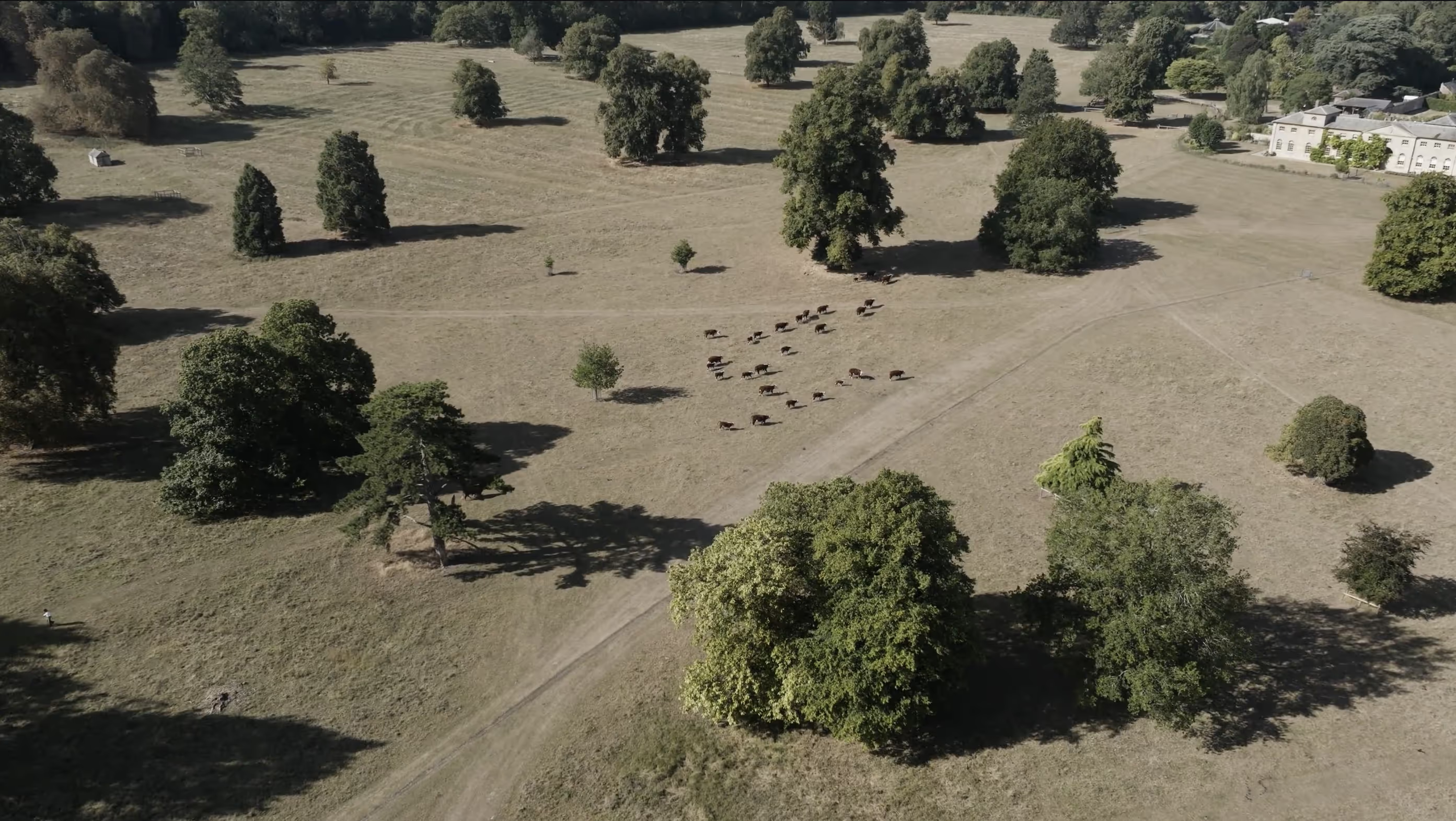
Located for accessibility, yet peacefully tucked away in a landscape of rolling fields, ancient woodlands, and restored parkland, Courteenhall has a rich history that intertwines with the local community. A stone’s throw from the M1, Courteenhall supports thriving biodiversity through dedicated conservation and nature-friendly farming.
“Dr Johnny Wake puts sustainability, community and legacy at the heart of every decision made, demonstrating an exceptional model of best practice”.
DAVID GRINT
CEO of The Royal Agricultural Society of England (RASE)
Centuries of story, still being told
Explore the history of Courteenhall Estate.
Discover the milestones that shaped our heritage.
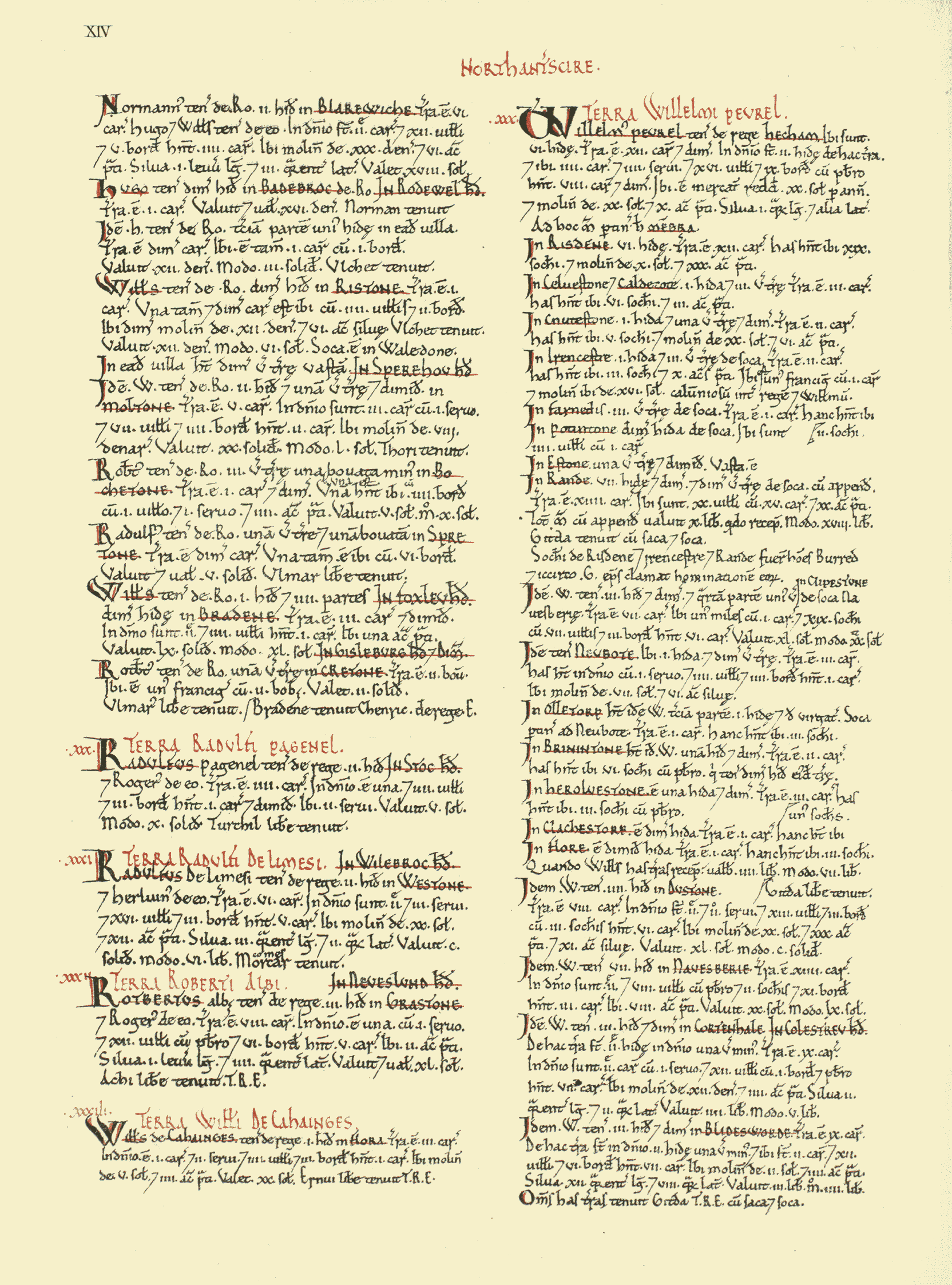
Doomsday book records Courteenhall
The Domesday Book lists Courteenhall in the hundred of Collingtree as two manors, both held in 1066 by Countess Gytha of Hereford. By 1086, the estates had passed to William Peverel as tenant-in-chief—one manor held directly by him, the other by his subtenant Turstin (Thurstan) Mantel.
The Wake family arrives in South Northamptonshire
The family’s connection to the region begins, establishing deep agricultural roots that continue today.
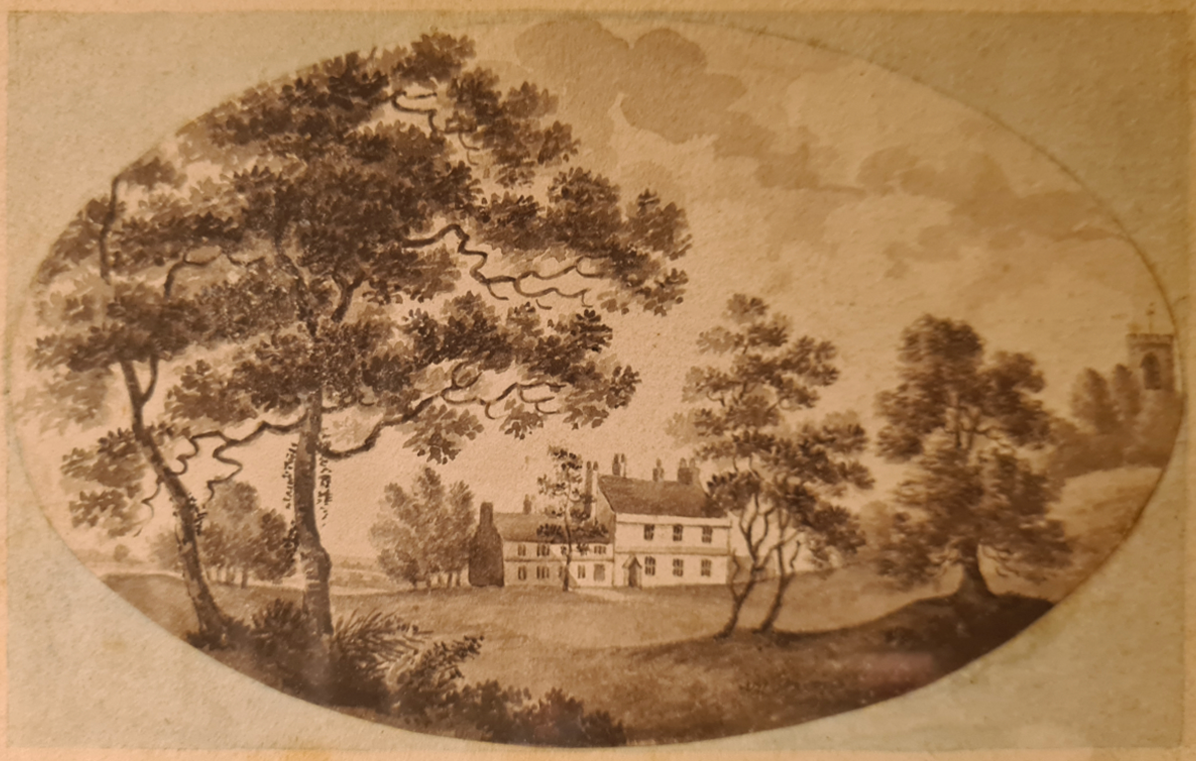
The old house
The original 16th-century manor house at Courteenhall, built by or for Richard Ouseley around 1580 in an Elizabethan style, was demolished circa 1791 when Sir William Wake, 9th Baronet, commissioned the construction of the present hall.
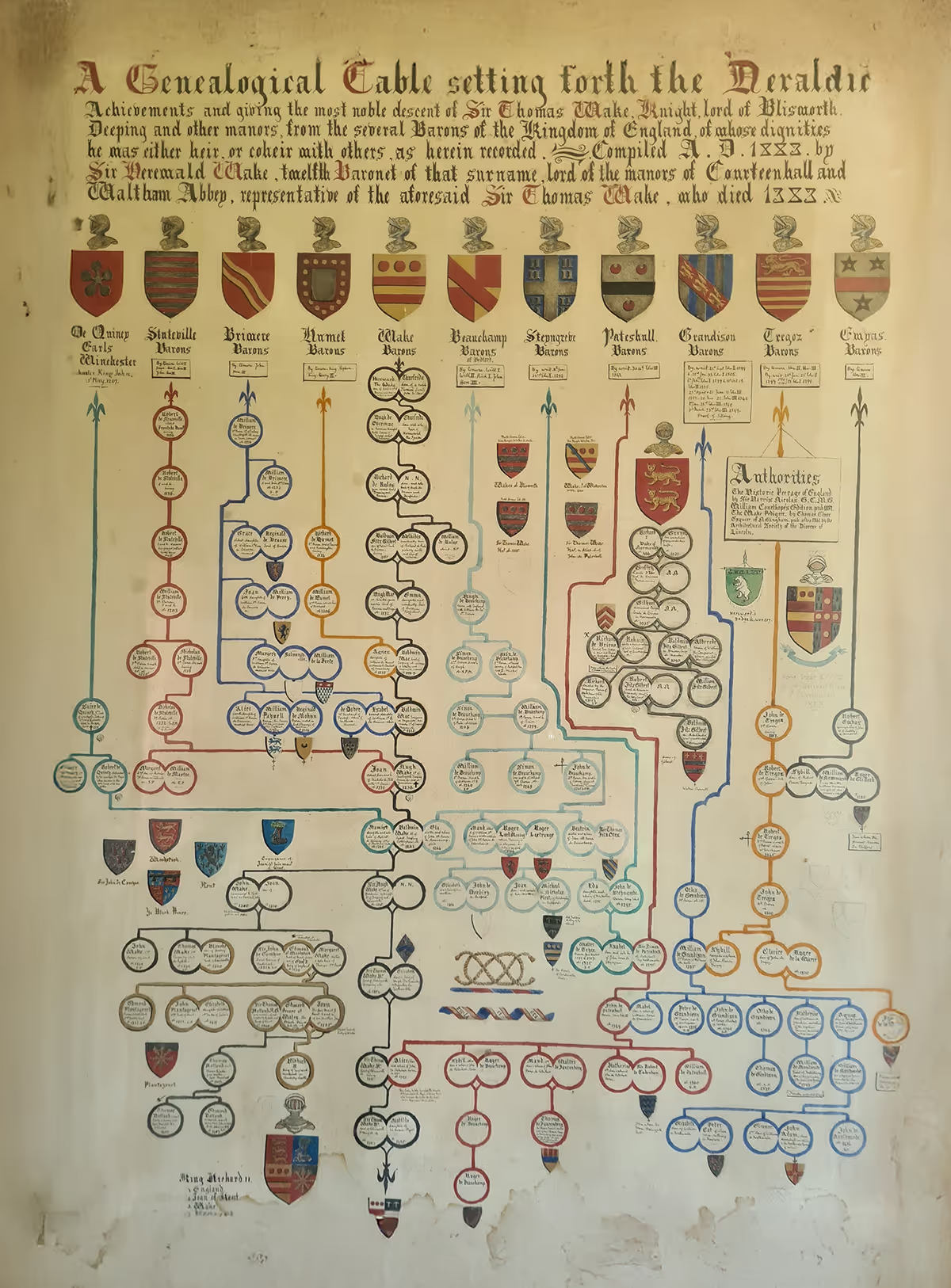
The Wake family
In 1672, the Wake family inherited Courteenhall, which became their principal seat in the 18th century.
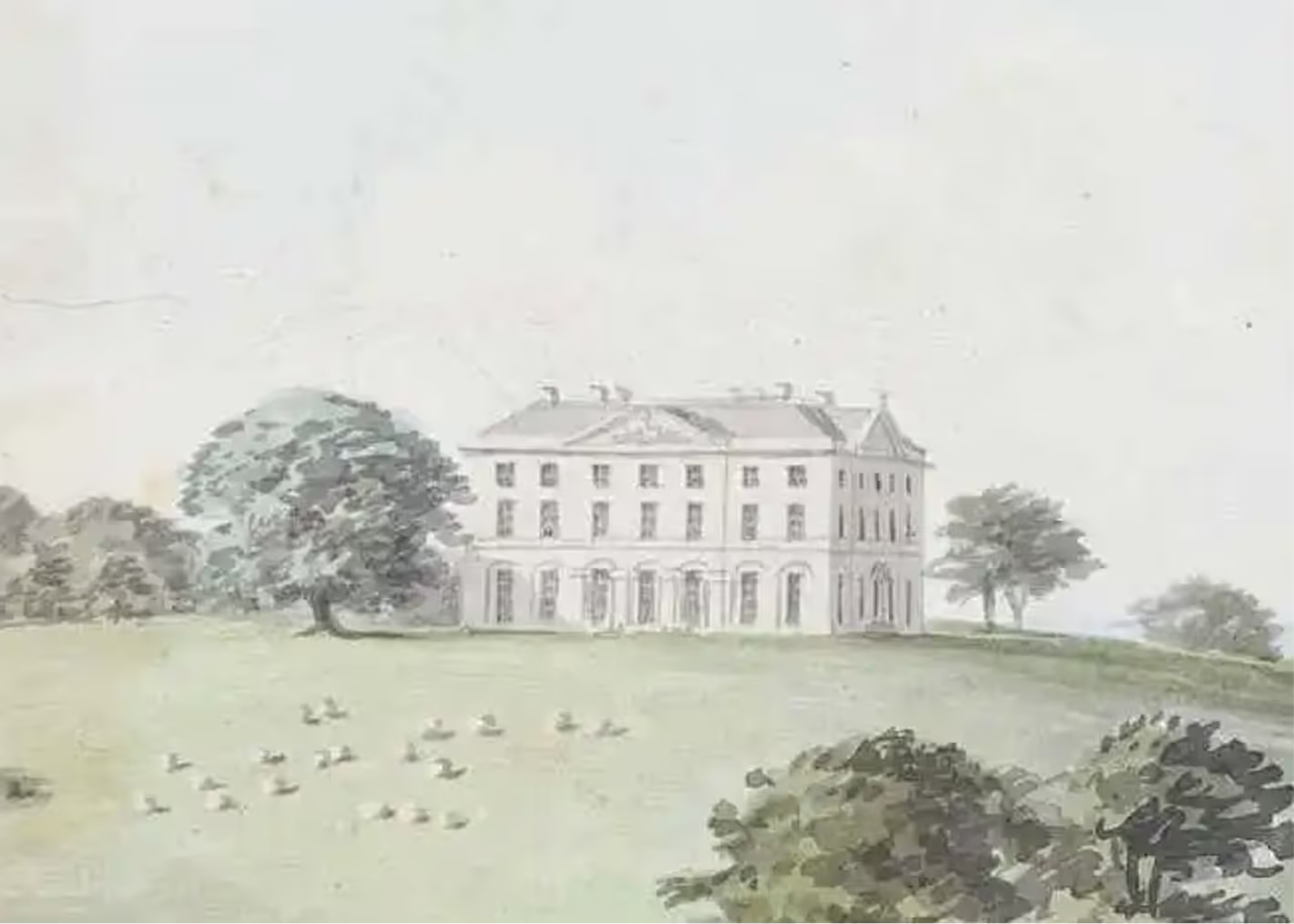
A new Georgian hall is built
Sir William Wake, 9th Baronet, commissioned the construction of the present hall replacing the original manor and forming the architectural heart of the estate. The celebrated landscape designer Humphry Repton shapes the estate’s grounds, which remain rich in mature trees and wildlife today.
A forward-thinking estate rooted in heritage
Since 2013, Johnny Wake—13th generation at Courteenhall and now Managing Partner—and his team have been transforming the estate into a leading example of regenerative farming, and Courteenhall continues to evolve, bringing together regenerative agriculture, environmental stewardship, and meaningful community impact, all grounded in centuries of custodianship.
Work with us at Courteenhall Estate
Find out more about working here on our careers page.
Regenerative farming benefits
At Courteenhall Estate, we embrace regenerative farming to restore soil health, minimise chemical use, safeguard water resources and promote biodiversity. Our practices not only enhance the ecosystem but also ensure sustainable food production for future generations

Healthier soil
Carbon storage
Richer biodiversity
Sustainable yields
Supporting local communities
We back charities like Maggie's, Ride High, and Greyhound Rescue Trust. We also sponsor local sports teams and support regional causes, such as the Northamptonshire Community Foundation Rural Poverty Appeal.
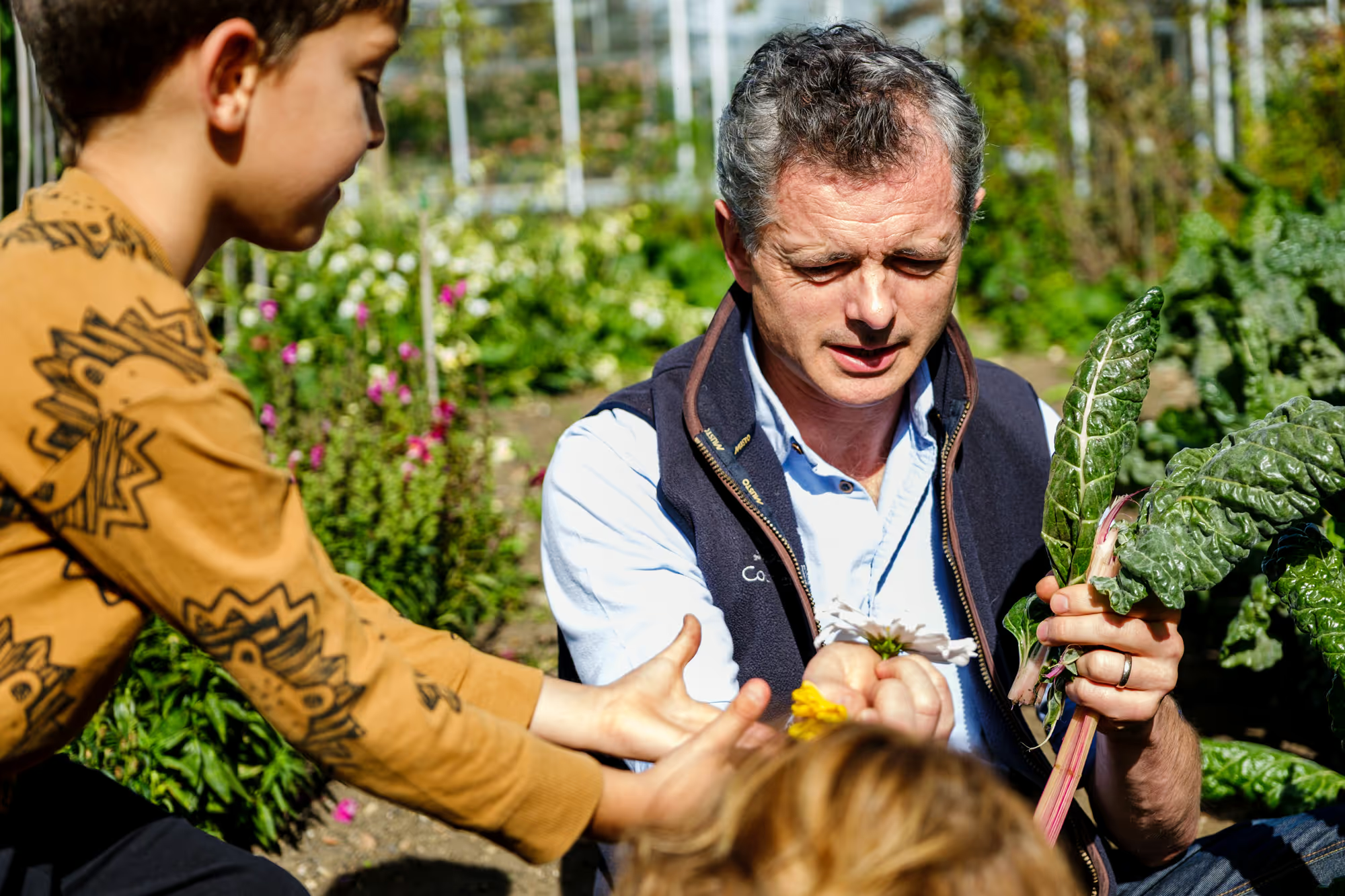
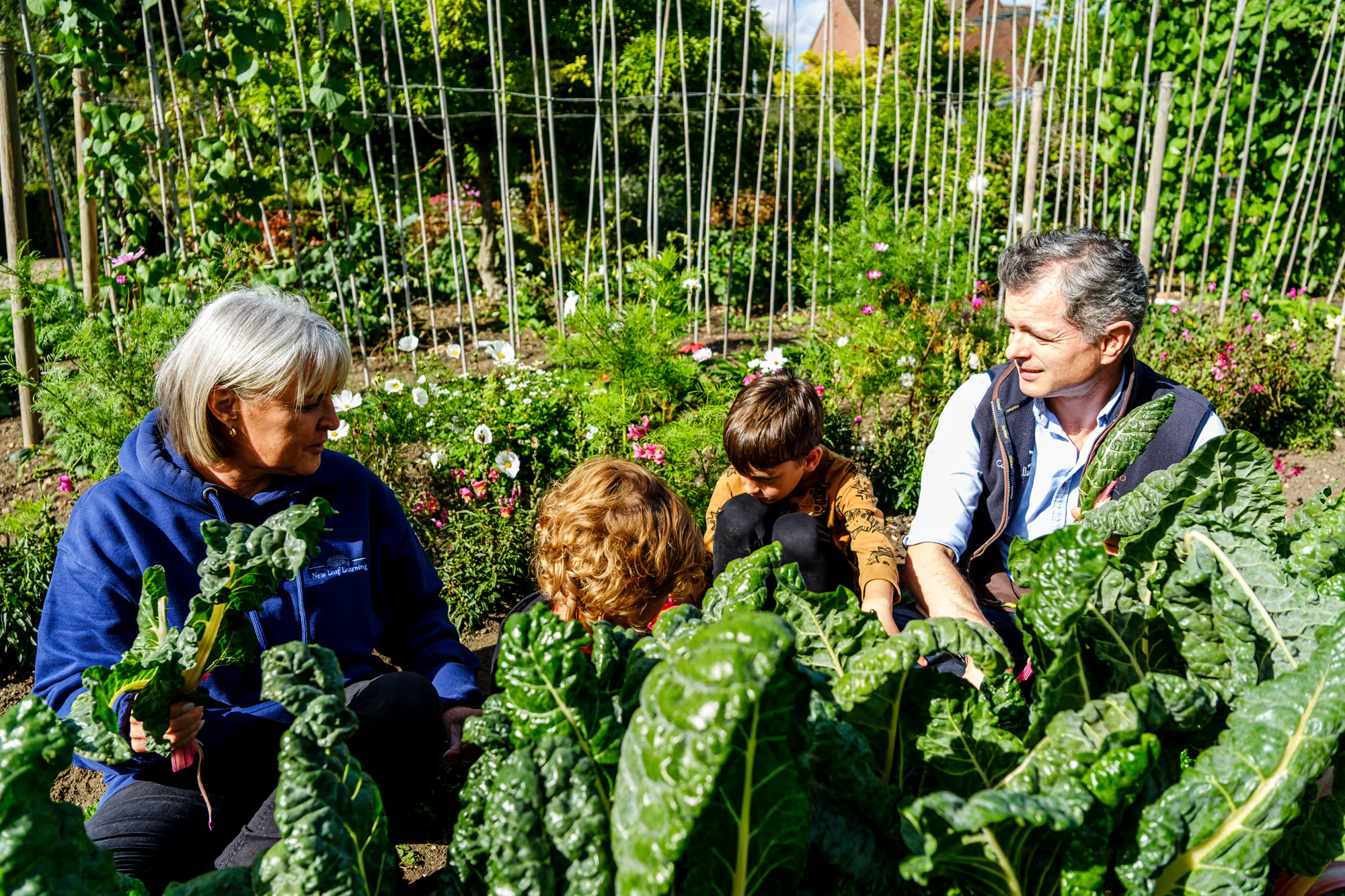
Our own charity, New Leaf Learning, chaired and co-founded by Dr Johnny Wake, helps Northamptonshire children re-engage with learning through nature and hands-on experiences.
Nurturing nature
At Courteenhall, we are dedicated to enhancing biodiversity through innovative conservation initiatives. Our efforts focus on protecting native species and restoring vital habitats.
Wildlife Farms & Estates accreditation
We are proud to be have Level 2 Wildlife Farms & Estates accreditation, recognising excellence in sustainable land management.
Conservation efforts
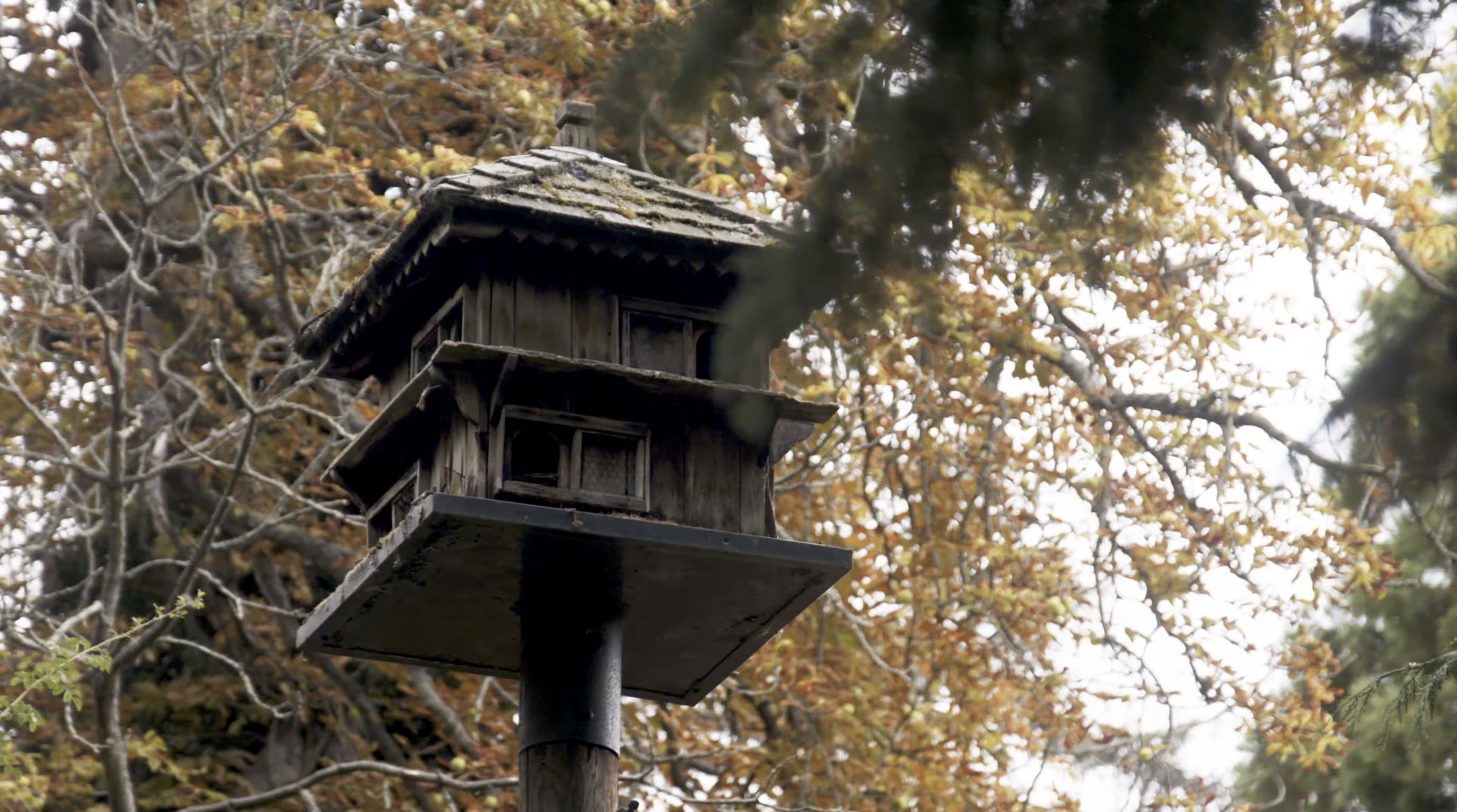
From planting trees and restoring hedgerows to creating wildlife corridors and enhancing habitats for barn owls, rare orchids and butterflies, conservation is central to our decision making process.
Follow our journey of regeneration
Stay up to date with all the news from Courteenhall and Gawdy, from farming innovations to nature restoration and the latest at The Knot.